


Common Eye Diseases That Can Develop without Early Symptoms
Common Eye Diseases That Can Develop without Early Symptoms
Many eye diseases begin long before vision changes are noticeable. You may not feel pain, see redness, or realize your eyesight is being affected in the early stages. For patients in Katy, routine comprehensive eye exams at Vision One Eyecare are an important way to detect silent eye conditions early and help protect long-term vision.
Why Eye Diseases Can Go Unnoticed
The eyes can adapt to gradual changes, making it easy to miss early warning signs. One eye may compensate for the other, or vision loss may happen slowly enough that it feels normal. Some conditions also affect the retina, optic nerve, or blood vessels before they impact day-to-day sight.
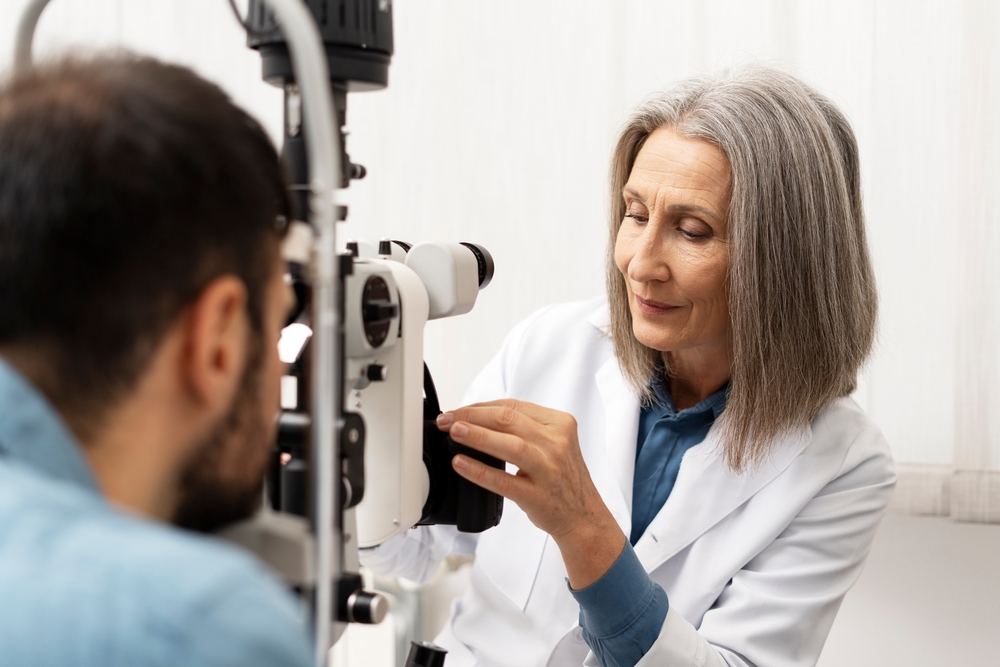
An eye exam allows our optometrists to evaluate more than how clearly you see. It can help detect early signs of eye disease before symptoms become more obvious.
Glaucoma
Glaucoma is often called the “silent thief of sight” because it can damage the optic nerve without early symptoms. In many cases, peripheral vision is affected first, which can be difficult to notice during daily activities.
Regular eye pressure checks, optic nerve evaluation, and advanced testing can help identify glaucoma risk. Early detection is key because vision loss from glaucoma cannot be reversed, but proper management can help slow its progression.
Diabetic Eye Disease
Diabetic eye disease, including diabetic retinopathy, can develop when high blood sugar damages the tiny blood vessels in the retina. Early stages may not cause blurred vision or discomfort, which makes diabetic eye exams especially important.
Patients with diabetes should have routine dilated eye exams to monitor retinal health. Detecting changes early can help protect vision and support timely treatment when needed.
Macular Degeneration
Age-related macular degeneration affects the macula, the part of the retina responsible for central vision. In the early stages, many people do not notice changes. As it progresses, it may become harder to read, recognize faces, or see fine details.
Risk factors can include age, family history, smoking, and certain health conditions. Routine eye exams can help monitor the macula and detect subtle changes before major vision concerns develop.
Cataracts
Cataracts usually develop slowly as the natural lens of the eye becomes cloudy. Early cataracts may not cause obvious symptoms, but over time they can lead to glare, faded colors, blurred vision, or trouble seeing at night.
Common signs that cataracts may be progressing include:
• Cloudy or hazy vision
• Increased glare from headlights or sunlight
• Frequent changes in glasses prescriptions
• Difficulty reading in dim lighting
• Colors appearing dull or yellowed
Eye exams help determine whether cataracts are affecting vision and when treatment options should be discussed.
Retinal Conditions
Some retinal problems, such as retinal tears, retinal holes, or early retinal disease, may develop with few symptoms at first. Other times, warning signs like flashes, floaters, or a shadow in vision may appear suddenly and require prompt attention. Because the retina plays a major role in clear sight, regular retinal evaluations are an important part of preventive eye care.
Detect Eye Disease Before Symptoms Start
The best way to catch common eye diseases early is through consistent, comprehensive eye care. Even if your vision feels clear, an exam can reveal changes that are not noticeable at home. This is especially important for adults over 40, patients with diabetes, those with a family history of eye disease, and anyone experiencing new vision changes.
Schedule your next eye exam at Vision One Eyecare to stay ahead of eye disease and protect your long-term vision. Visit our office in Katy, Texas or call (281) 395-2010 to book an appointment today.


Our Services
Hours of Operation
- Monday 9:00am - 5:00pm
- Tuesday 9:00am - 5:00pm
- Wednesday 9:00am - 12:00pm
- Thursday 9:00am - 5:00pm
- Friday 9:00am - 5:00pm
- Saturday Closed
- Sunday Closed
© 2026 Vision One Eyecare. All rights Reserved. Accessibility Statement - Privacy Policy - Sitemap
Powered by:
