


How to Tell if Your Dry Eye Needs Professional Treatment
If your eyes constantly feel dry, irritated, or fatigued, you may be wondering whether it’s something you can manage on your own - or if it’s time to seek professional care. While occasional dryness is common, ongoing symptoms often point to an underlying issue that won’t improve with artificial tears alone. At Vision One Eyecare, we specialize in identifying the root cause of dry eye and providing advanced treatment options designed for lasting relief.
Your Symptoms Are Persistent or Worsening
Occasional dryness is normal. However, if you experience symptoms daily or notice they are getting worse over time, this could indicate chronic dry eye disease.
Common persistent symptoms include:
- Burning or stinging sensations
- Gritty or sandy feeling in the eyes
- Redness
- Fluctuating or blurry vision
- Light sensitivity
- Excessive tearing
If these symptoms last for weeks or months despite using lubricating drops, your dry eye may have an underlying cause that needs targeted treatment.
Artificial Tears Only Provide Temporary Relief
Over-the-counter drops can be helpful for mild dryness. However, if you find yourself using them multiple times a day with minimal or short-lived improvement, it may be a sign that your dry eye is more complex.
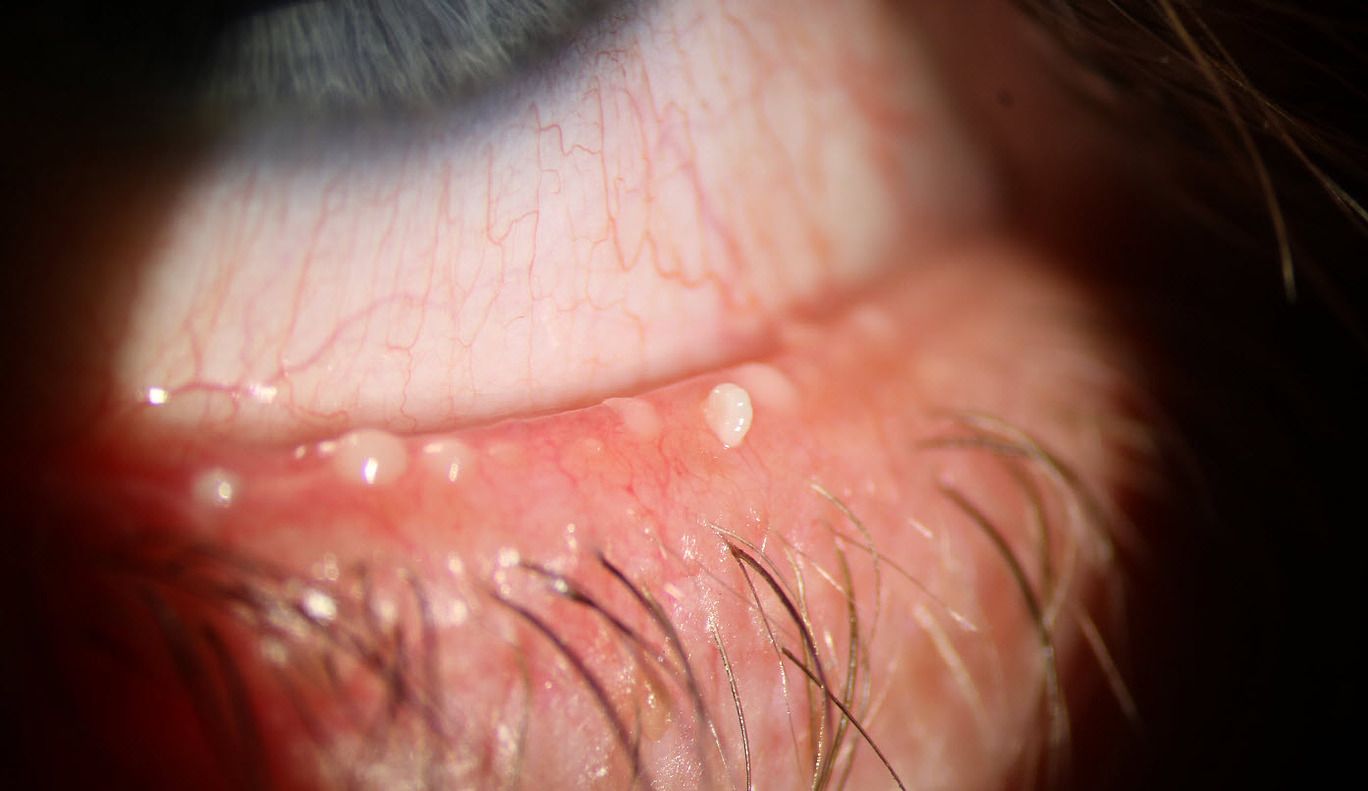
Many chronic cases stem from Meibomian Gland Dysfunction (MGD) - a condition where the oil glands in your eyelids become blocked. Without a healthy oil layer, tears evaporate too quickly, leaving the eyes irritated and inflamed. In these cases, drops alone cannot address the root problem.
Your Vision Fluctuates Throughout the Day
If your vision becomes blurry while reading, driving, or working on a computer and improves when you blink, tear film instability may be the cause. A stable tear film is essential for clear vision. When dryness disrupts that tear layer, it can significantly impact daily tasks and productivity.
You Experience Eye Fatigue During Screen Use
Digital eye strain and dry eye often go hand in hand. When we use screens, we blink less frequently, which worsens tear evaporation. If your eyes feel tired, heavy, or irritated after computer or phone use - even with breaks - it may indicate underlying dry eye disease. Professional evaluation can determine whether your symptoms are related to inflammation, gland dysfunction, or both.
You Notice Swollen or Tender Eyelids
Inflammation along the eyelid margins can signal blocked oil glands. If your eyelids feel tender, appear swollen, or develop frequent styes, it’s time to seek care. These are strong indicators that the condition requires more than lubricating drops.
Why Professional Diagnosis Matters
Dry eye is not one-size-fits-all. There are multiple underlying causes, including:
- Meibomian gland dysfunction
- Aqueous tear deficiency
- Hormonal changes
- Environmental factors
- Autoimmune conditions
A professional evaluation includes advanced imaging and tear film analysis to determine the exact cause of your symptoms. This allows for a customized treatment plan designed specifically for your eyes.
OptiLight IPL: Targeting Inflammation at the Source
OptiLight IPL (Intense Pulsed Light) is the first FDA-approved IPL treatment specifically designed for dry eye associated with Meibomian Gland Dysfunction.
This innovative treatment works by:
- Reducing inflammation around the eyelids
- Improving oil gland function
- Stabilizing the tear film
- Decreasing redness and irritation
By addressing the underlying inflammation, OptiLight IPL helps restore healthier tear production rather than simply masking symptoms.
OptiPLUS: Enhancing Meibomian Gland Expression
OptiPLUS is a specialized treatment designed to complement therapies like IPL. It focuses on effectively expressing and clearing blocked oil glands.
When the glands are unclogged:
- Tears evaporate more slowly
- Eye comfort improves
- Inflammation decreases
- Vision stabilizes
Combining OptiLight IPL with OptiPLUS allows for a comprehensive approach - treating both inflammation and gland obstruction for optimal results.
Stop Managing Symptoms & Start Treating the Cause
Dry eye may start as a mild irritation, but when symptoms persist or worsen, it’s often a sign of a deeper issue. Relying solely on artificial tears can delay effective treatment and prolong discomfort. Advanced solutions like OptiLight IPL and OptiPLUS provide targeted relief by addressing inflammation and gland dysfunction at the source. With the right diagnosis and treatment plan, lasting comfort and clearer vision are possible.
If you’re struggling with ongoing dry eye symptoms, schedule a dry eye evaluation at Vision One Eyecare for personalized treatment options to help you see and feel your best. Visit our office in Katy, Texas or call (281) 395-2010 to book an appointment today.


Our Services
Hours of Operation
- Monday 9:00am - 5:00pm
- Tuesday 9:00am - 5:00pm
- Wednesday 9:00am - 12:00pm
- Thursday 9:00am - 5:00pm
- Friday 9:00am - 5:00pm
- Saturday Closed
- Sunday Closed
© 2026 Vision One Eyecare. All rights Reserved. Accessibility Statement - Privacy Policy - Sitemap
Powered by:
